Saturday, November 5, 2022

Benefits Of Caregiver Agencies For The Elderly

According to an AARP study, nearly one in five seniors aged between 18 and 64 have difficulty participating in daily activities such as dressing, bathing, and eating. This can lead to a lot of problems for seniors and their families. There are many caregiver agencies available for seniors that can ease some of these responsibilities.

What Are The Advantages Of Elderly Caregiver Agencies?

There are many reasons people may choose to use senior care services:

For some people, it may be a comfort to have someone who knows their day and can assist with minor tasks. Some people may feel that the peace of being able to trust someone with their belongings and provide companionship is well worth the expense. No matter the reason, elderly adults can benefit from caregiver agencies to preserve their independence and improve their quality of life.

caregiver agencies

What Are The Various Types Of Caregiver Agencies Available?

Seniors have many options for caregiver agencies, each with its own benefits. These are the three most popular:

  1. Personal Care Services

They provide basic care such as bathing and dressing, grooming, feeding and even toileting. As long as the senior is able to do these tasks and remain healthy. They can assist in maintaining their independence.

  1. Companion Services

They provide companionship and support, taking on some of senior citizens' responsibilities like shopping for groceries or going to appointments. They may also assist with routine tasks such as dressing and bathing.

  1. Home Health Aide

They are full-time workers who live with the seniors. They offer 24-hour care and can even help seniors live independently. Although this type of care is usually very costly. It is possible to get a special kind of care for seniors.

What Is The Cost Of Providing Caregiver Agencies?

Home care for elderly people can be expensive. These costs include supplies and equipment, wages, and the cost of providing caregiver agencies for an elderly person. A home health aide's average hourly wage is $15.70. It costs an average of $116.40 an hour to provide homecare services.

What Are The Various Types Of In-Caregiver Agencies Available?

A variety of services can be offered in the home. These range from personal care to assistance with daily activities. In-home care can be a relief option for people who are elderly or suffer from chronic conditions.

The following are some of the most popular types of in-home services:

  • Personal care: includes bathing, dressing and other personal needs.

  • Cleaning and meal preparation: In-home care can be needed for someone who requires assistance in preparing meals or cleaning up afterwards.

  • Light housekeeping: This could include vacuuming, sweeping, dusting, checking the humidity and temperature levels.

  • Autism support: Not all people with autism need 24-hour support. This type of service can be provided by a professional provider.

You can also choose from a range of packages for home care assistance. Some providers offer only short-term packages, while others provide long-term plans. It is important to find a provider that matches your needs and requirements.

How Do You Choose The Best Home Care Service?

You have many options when it comes to in-home care for your loved one. Some provide 24-hour care while others are available during the week or in the evening. It can be hard to choose the right service for you or your loved one among all of the available options. These are some tips that will help you select the best home care service.

  1. Get a preliminary estimate: before you make any major decisions. Based on your budget and needs, this will help you decide if the cost is worthwhile.

  2. Your lifestyle and your needs are important: It is crucial to take into account your needs and lifestyle when choosing an in-home caregiver. Do you need round-the-clock coverage? Do you need assistance with daily activities like dressing or bathing? You can make an informed decision about the best service for your loved one by reviewing all of the included services.

  3. When choosing an in-home caregiver for elderly care: Tunisia is a priority. You should ensure that the provider has a reputation for high-quality care. You should look for providers who have been accredited by national organizations such as The Joint Commission and Home Care Aide International. These organizations make sure providers adhere to strict safety and health standards.

caregiver agencies

What Are The Advantages Of An In-Home Care Provider?

It is essential to know what you need and want in order to make the most of in-home senior care services. It is much easier to find the right provider for you. Here are some benefits to using an in-home care service.

  • Rest assured that your loved ones are being cared for by specialists.

  • The provider will visit your home and make all necessary arrangements for communication over long distances or travel arrangements.

  • You can make any changes or adjustments you need without the need to involve other parties.

What Are The Main Challenges Faced By Home Care Providers?

caregiver services near me face many difficulties when caring for elderly patients. Many elderly patients are reluctant to leave their home or bedside. Providers who want to allow patients to live independently can find it difficult. Many elderly patients are unable to communicate, making it more difficult for providers and their staff to provide the right level of care. As many elderly patients age, it is important for providers to be sensitive to their changing needs.

Conclusion

It is essential that someone takes care of your basic needs if you are 65 years old or older. You could have a loved one, but they may not be able to care for you. There are many caregiving agencies that can accommodate older adults. These services offer a variety of benefits such as companionship, support in times of stress, assistance with daily tasks like bathing and dressing, as well as respite from long term care facilities.

Before you sign up for any home care service, it is important that you discuss your needs with an experienced caregiver so you can ensure you get the best service possible.


Monday, October 10, 2022

The Importance of Balance Training Physical Therapy

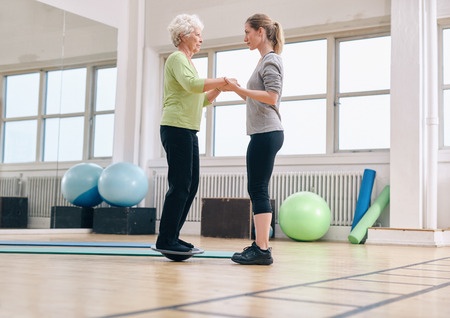
We all know that being physically active is good for our health. But did you know that balance training can be just as important? Balance training can help people with a wide variety of injuries, including those stemming from physical therapy. In this article, we will explore the importance of balance training  physical therapy and provide tips on how to get started.

The Purpose of Balance Training

Balance training has been shown to be an effective treatment for a variety of physical problems. The purpose of balance training is to improve the individual's ability to maintain their balance. Balance training can be used to treat conditions such as headache, neck pain, dizziness, and sinusitis.

Balance training for seniors can also be used to prevent injury. By improving the individual's balance skills, they will be less likely to fall and injure themselves. Balance training can also help people with chronic diseases improve their physical function.

How to Do Balance Training?

Balance training in physical therapy is one of the most important physical therapy interventions for people with balance impairments.

Balance training can improve balance, coordination, and gait in individuals with balance impairments.

How to do Balance Training:

  • Start by standing on one foot with your weight evenly distributed on both feet.
  • Next, slowly move your other foot out to the side, maintaining your balance as best as you can.
  • Repeat steps 2 and 3 on the opposite side.
  • When you can complete two sets of each side without losing your balance or feeling too dizzy, it’s time to add some height to the challenge! Try standing on a chair or railing and holding onto it for support while performing step 2 and 3 on both sides again.


When to Do Balance Training

Balance training is important for people of all ages to maintain their balance and coordination. It can help improve mobility, prevent falls, and reduce the risk of developing chronic health conditions such as arthritis.

There are many different types of balance training exercises that you can do at home. You can also seek out professional physical therapy services to help you learn more specific exercises that are tailored to your individual needs.

It is important to keep in mind that balance training should not be done if you have any type of injury or illness. Additionally, younger children may need parental supervision while doing balance training exercises.

The Benefits of Balance Training for Physical Therapy Patients

Balance is key for physical therapists helping patients regain movement and function. Balance training can help improve gait, balance, and coordination.1 In addition to improving movement and function, balance training has other benefits, such as reducing the risk of falls, 2 preventing injuries, and 3 improving sleep quality.

One of the main benefits of balance training for physical therapy patients is that it can help improve gait. Gait is the pattern of walking that a person takes. Poor gait may be the result of a number of factors, including poor Balance Training Physical Therapy Patient.5 Improving gait can not only improve physical function but also reduce the risk of falls.

In addition to improving gait, balance training has other benefits such as reducing the risk of falls. Reducing the risk of falls is particularly important for physical therapy patients because they are at an increased risk for falling due to their condition or medications they are taking. In fact, falls are one of the most common causes of injuries in physically active individuals and account for approximately 20%–30% of all injuries in older people 9–11¬†. Studies have shown that regular balance training not only reduces the risk for falls but also decreases the likelihood that a person will sustain an injury.

What are the Steps for Balance Training?

There are a few steps in easy balance exercises for seniors that you can take to improve balance and stability. You should start by getting your balance checked. This will help you determine if any specific exercises are necessary to improve your balance.

If you need assistance improving your balance, then physical therapists may recommend exercises that focus on different parts of the body. For example, exercises to improve balance in the feet may involve using a chair with both feet on the ground at the same time or balancing on one foot for a set period of time.

You also should try to maintain good posture when performing activities that require good balance, such as walking, standing, and sitting. Maintaining good posture can help protect your back and joints from injury.

How to Perform a Balance Training Session?

When it comes to balancing skills, both children and adults can benefit from regular physical therapy exercises. The following balance-training session is designed to help improve balance in adults as well as children.

To perform this exercise, start by standing with your feet hip-width apart and your toes pointed straight ahead. Hold a small object, such as a pen or pencil, at arm's length in front of you with both hands. Balance yourself by trying to hold the object against your chest with your non-dominant hand while keeping your dominant hand free to support yourself if needed. Hold for 30 seconds, then repeat on the other side.

This balance training session can help improve overall balance and coordination in adults, as well as children who suffer from conditions like cerebral palsy or autism spectrum disorder. By practicing these exercises regularly, you can help increase stability and mobility in the feet and legs, which will help improve overall walking and climbing ability.


Conclusion

In today's world, it is becoming increasingly difficult to maintain balance and stay safe. As we become more sedentary, our bodies are not built to handle the stresses of life quite as well as they used to be. This is why it is so important for people who suffer from conditions like Parkinson's or multiple sclerosis to engage in regular physical therapy. By working on balancing exercises and stretching exercises, PT can help these individuals regain their mobility and improve their quality of life.


Monday, September 12, 2022

What Services Can A Caregiver Provider Offer Your Elderly Loved One?

As the population ages, there is an increased demand for caregivers to provide support and care for elderly loved ones. This is a challenging and rewarding job, but it can also be very demanding and require a lot of dedication and patience. In this article, we take a look at some of the caregiver services for seniors that a caregiver provider can offer your elderly loved one.

What are the Types of Services a Caregiver Provider Can Offer?

The types of home health care agencies services a caregiver provider can offer your elderly loved one include: assistance with bathing and dressing, help with meals, errands, transfers to medical appointments, companionship, and more. Many caregivers also offer light housekeeping and laundry services.

What Services Can a Caregiver Provider Offer Your Elderly Loved One?

Providing caregivers for elderly loved ones can provide respite, assistance, and support. Caregivers can also offer a wide range of services such as meal preparation, shopping, personal hygiene and travel arrangements. Services vary depending on the level of care needed and the preferences of the elderly loved one. Some common services that a caregiver might offer are:

  • Personal assistance with daily activities
  • Meal preparation
  • Shopping
  • Bed bathing and grooming
  • Companionship

A caregiver provider can offer many services to an elderly loved one, such as cooking and cleaning, providing assistance with activities of daily living, and providing companionship. Depending on the needs of the elderly loved one, a caregiver provider may also provide transportation, medication management, or other specialized care.


How Much Does a Caregiver Provider Charge for Their Services?

There are many caregiver services for seniors that can be offered to your elderly loved one. Some common services include meal preparation, light housekeeping, transportation, grocery shopping, and companionship. It is important to find a caregiver provider who is comfortable with the needs of the elderly loved one they are serving. Caregiver providers typically charge a fee for their services, but some may offer discounts for long-term care or special needs care.

The Different Types of Caregivers

A caregiver provider can offer a variety of services to elderly loved ones. These services can include personal care, assistance with basic tasks, companionship, and help with daily living. Depending on the needs of the elderly loved one, a caregiver provider may also be able to provide medication management, transportation, and other support services.

There are many types of caregivers available, and each has their own strengths and weaknesses. Some good candidates for caregiver services include family members who have experience caring for elderly relatives or friends, professional caregivers who have completed a specific training program, and volunteers who are experienced in providing informal caregiving.

It is important to choose a caregiver provider who meets the needs of the elderly loved one they are caring for. Some questions to ask when looking for a caregiver include: what type of care do you need help with?; what are your availability and scheduling constraints?; what expertise do you have in caring for seniors?; how much experience do you have providing care for elders?; and how do you feel about providing care for an elderly person with dementia or other cognitive impairments?

What to Expect When Hiring a Caregiver

The caregiver services for seniors that a caregiver provider can offer your elderly loved one depend on the needs of the individual care recipient. However, most caregivers typically offer a range of services including: cooking, cleaning, personal care, bathing, medication assistance, and companionship. Additionally, many providers offer respite care or evening and weekend shifts to allow families more time to relax and spend time with their loved ones.

Cost of Caregiver Services

There are a number of services that a caregiver provider can offer your elderly loved one. From providing companionship and support to helping with daily tasks, these services can be quite beneficial. It is important to remember that not all caregivers are created equal, so it is important to do your research before deciding on who to hire. Here are some of the most common types of services offered by caregiver providers:

  • Daily Living Assistance: This type of service can help with tasks such as bathing, dressing, and eating.
  • Household Management: This includes things like grocery shopping, laundry, and preparing meals.
  • Companionship: Often times caregivers are hired to provide companionship and support to the elderly loved one. This can include listening to stories, going for walks, or just being there for a chat.

Conclusion

If you are a caregiver for an elderly loved one, it can be difficult to keep up with all of the demands that come with the role. From providing food and water, to bathing and cleaning, there is often a lot that needs to be done in order to ensure your loved one is as comfortable and safe as possible. Luckily, there are many services available that caregivers can use in order to help them ease the burden of responsibility.


Some examples of these services include 24/7 support, personal care assistance, meal planning and delivery, Errands & Shopping Services, and more. If you're looking for ways to improve your quality of life while taking care of an elderly loved one, consider using one or more of these services.


Saturday, August 20, 2022

Caregivers For Seniors: Do You Need One?

 Introduction

As the population ages, there are going to be an increasing number of seniors in need of care. Whether you're a relative or friend looking to offer your time and attention to a senior citizen, there are some things you need to keep in mind before jumping in with caregivers for seniors. In this article, we'll take a look at some of the questions you might have about caring for a senior, and whether or not you need a caregiver.

Who Needs a Caregiver for Seniors?

A caregiver for seniors can provide companionship and support while a senior is recovering from an illness or injury. Caregivers can also help with routine tasks, like bathing and dressing, and supervise medical appointments. Caregivers can be a valuable asset to any family, but they may not be needed for all seniors.

Here are some factors to consider if you're thinking about becoming a caregiver for a senior:

  • Are you available 24/7?
  • Do you have experience caring for elderly patients?
  • What kind of training do you have in caring for seniors?
  • Can you handle stress?
  • Will you be able to work long hours?
  • How much will you be paid?
  • What kind of insurance will you need?
  • What are the duties of a caregiver for seniors?


Types of Caregivers for Seniors

There are many types of caregiver services for seniors, and each has their own unique set of skills and abilities. Here are five main types of caregivers:

1.     Personal Caregivers:

These caregivers provide general personal care and assistance with activities of daily living (ADLs). They may bathe, dress, or feed a senior, among other tasks.

2.     Home Health Aides:

Home health aides provide 24-hour care for seniors in their homes. They help with activities of daily living, provide companionship, and help keep the home clean and orderly.

3.     Nursing Facilities:

Nursing facilities can provide long-term care for seniors who cannot live independently. A nursing assistant will help with all the basic needs of a senior, from bathing to grooming to eating.

4.     Family Caregivers:

Families often become caregivers for seniors when a family member is unable to do so due to illness or disability. This type of caregiver provides companionship and assistance with ADLs in the home while the family member is healthy enough to take care of themselves.

What Should You Expect from a Caregiver for Seniors?

There are many things that you should expect from a caregiver for seniors. They should be able to provide basic needs like food and water, help with hygiene, and provide companionship. They should also be able to take care of any medical issues that the senior may have.

Finding the Right Caregiver for You

If you are someone who cares for a senior in your life, you need to be aware of the fact that there is a caregiver market out there. This market can be quite lucrative, so it is important to find the right caregiver for your loved one. Here are some tips to help you find the right caregiver for your loved one:

  • Talk to family and friends. The best way to find a caregiver is by talking to people you know. Ask them if they know any caregivers who would be a good fit for your loved one. Additionally, ask if they know of any agencies that specialize in finding caregivers for seniors.
  • Go online. Another great way to find a caregiver is by going online. There are many websites that list caregiver jobs and agencies that specialize in finding caregivers for seniors. Before signing up with an agency, make sure to do some research to make sure the agency is reputable.
  • Scan through classified ads. Finally, if all else fails, scan through classified ads looking for caregivers who have openings in their households. Caregivers who advertise their services online often have more openings than those who do not advertise their services online.

Tips for Updating your Caregiving Plan

If you are considering whether or not to become a caregiver for a senior, be sure to update your caregiving plan. Here are five tips to help:

  1. Determine your goals and objectives. What do you hope to gain from taking on this role? What specific tasks or responsibilities do you feel best suit your skills and interests? Once you have clarified your goals, create a caregiving plan that reflects them.
  2. Research the eldercare system in your area. This will help you identify the types of services and support available through Medicaid, Medicare, or private insurance.
  3. Establish clear communication lines with your seniors’ caregivers. Make sure you have an understanding of what your seniors’ daily routine looks like, so that you can effectively assist them with activities such as bathing and dressing.
  4. Create a detailed care plan for each individual senior in your care. This will outline who will provide what type of assistance and when it will occur. It is important to keep in mind that seniors’ abilities may vary significantly, so be sure to list every possible activity that could require assistance.

Conclusion

As we age, it becomes increasingly important for us to have caregivers available to help take care of our loved ones. However, many people might be unsure whether or not they need a caregiver for seniors in their lives. After reading this article, I hope that you will have a better understanding of what a caregiver does and whether or not you would benefit from having one in your life.

If you are still undecided after reading this article, please reach out to a local home health agency or Seniors Home Health Services for more information.


Thursday, July 7, 2022

A Guide to the Benefits of Different Manual Therapy Services For the Elderly

manual therapy for elderly

manual therapy services

Do you or a loved one who is a senior wonder if manual therapy can improve their quality of life? Seniors are more likely to experience mobility problems, making it challenging to go around and engage in their favorite activities.

Good news has arrived.

Manual therapy for the elderly can increase muscle strength, balance, coordination, and flexibility to keep their independence. Pain, tension, and fluid retention in the muscles and joints may all be lessened with manual therapy services. Additionally, it improves circulation, muscular flexibility, and joint mobility problems.

In this article, you will discover how to maintain quality of life as a senior and the advantages of manual therapy for the elderly.

Manual Therapy For Elderly: What Is It?

Manual Therapy, also called hands-on physical Therapy, excludes the use of machinery or technology. Instead, therapists utilize their hands while executing expert, targeted, hands-on treatments. Manual therapy for the elderly is a therapeutic practice in which therapists use their hands to reduce pain and increase mobility by utilizing the following methods:

  • The patient is relaxed, their circulation is improved, and their discomfort is reduced by massaging their muscles and soft tissues.

  • Mus mobilization involves gradual movements to twist, tug, and pull joints and bones into place. It may aid in increasing flexibility and loosening stiff joint tissues.

  • Manipulation involves quick, decisive movements to realign joints and bones and reduce pain.

  • By incorporating some of the abilities that accompany manual therapy approaches, physical therapists can occasionally shorten a six-month procedure to three months or lengthen a one-year process to six months.

Manual Therapy Methods

Our physical therapists frequently incorporate manual therapy for the elderly into thorough treatment plans. The following tried-and-true manual therapy methods are some of the numerous that might be applied during your appointment:

  • Massage

  • Mobilization/manipulation

  • Automatic traction

  • discharge of the lymph

  • Passive motion range

Soft tissue work and mobilization/manipulation are part of manual therapy services.

Therapists press on the body's soft tissues, such as the muscles, when performing delicate tissue work. This pressure can soothe muscle tension, improve blood flow, dissolve scar tissue, and lessen or even eliminate inflammation in the soft tissues.

Clinicians frequently mobilize and manipulate joints during manual therapy services. Mobilization and manipulation techniques help lessen discomfort, restore joint mechanics, and enable an early return to exercise and daily activities. 

Instrument-Assisted Manual Therapy

Specialized therapeutic instruments are used in instrument-assisted manual therapy, also known as instrument-assisted soft tissue mobilization, to move soft tissue. Physical therapists employ this technique to aid in improving blood flow, range of motion, flexibility, healing, and pain management. Our physical therapists have received training in the Graston Technique and Instrument-Assisted Soft Tissue Massage (IASTM). Two types of instrument-assisted manual therapy employ diagnostic and therapeutic tools to identify and treat a variety of conditions, including soft tissue conditions like:

  • Carpal Tunnel Syndrome
  • IT Band Syndrome,

  • Achilles Tendonitis

Instrumented manual therapy can be used in addition to manual therapy, modalities, and exercises to treat muscular strains, back/neck discomfort, joint pain, and most extremity injuries.

What Conditions can be treated through Manual Therapy for the Elderly?


Manual therapy for the elderly can be an effective treatment for a wide range of conditions, including:

  • spasms of muscles

  • tense muscles

  • a low back ache

  • Neck injuries and pain

  • foot, ankle, hip, and knee issues

  • issues with the hands, wrists, elbows, and shoulders

  • injuries brought on by mishaps

  • Workplace accidents

Benefits of Manual Therapy Services

During your assessment and diagnosis, our physical therapists will frequently use manual therapy services to understand your condition better. They will employ specialized manual therapy procedures under their results to:

  • Enhance your capacity for movement

  • Improve fitness, wellness, and health

  • Reduce swelling, edema, discomfort, spasms, or injuries like groin strains

  • maintain or improve physical performance

  • prevent or treat bodily function impairment

  • Boost physical performance

Conclusion

As you can see, manual therapy for the elderly can benefit practically every aspect of health care. Ask your doctor about manual treatment if you are recuperating from surgery, a sickness, an illness, or another condition. Manual therapy services can help you become more mobile and make daily routines easier to regain independence.


Caring for Our Veterans: An Overview of Veteran Care Homes

Introduction Our veterans have served our country with honor and dedication, and as a result, they deserve the best care possible. For many ...